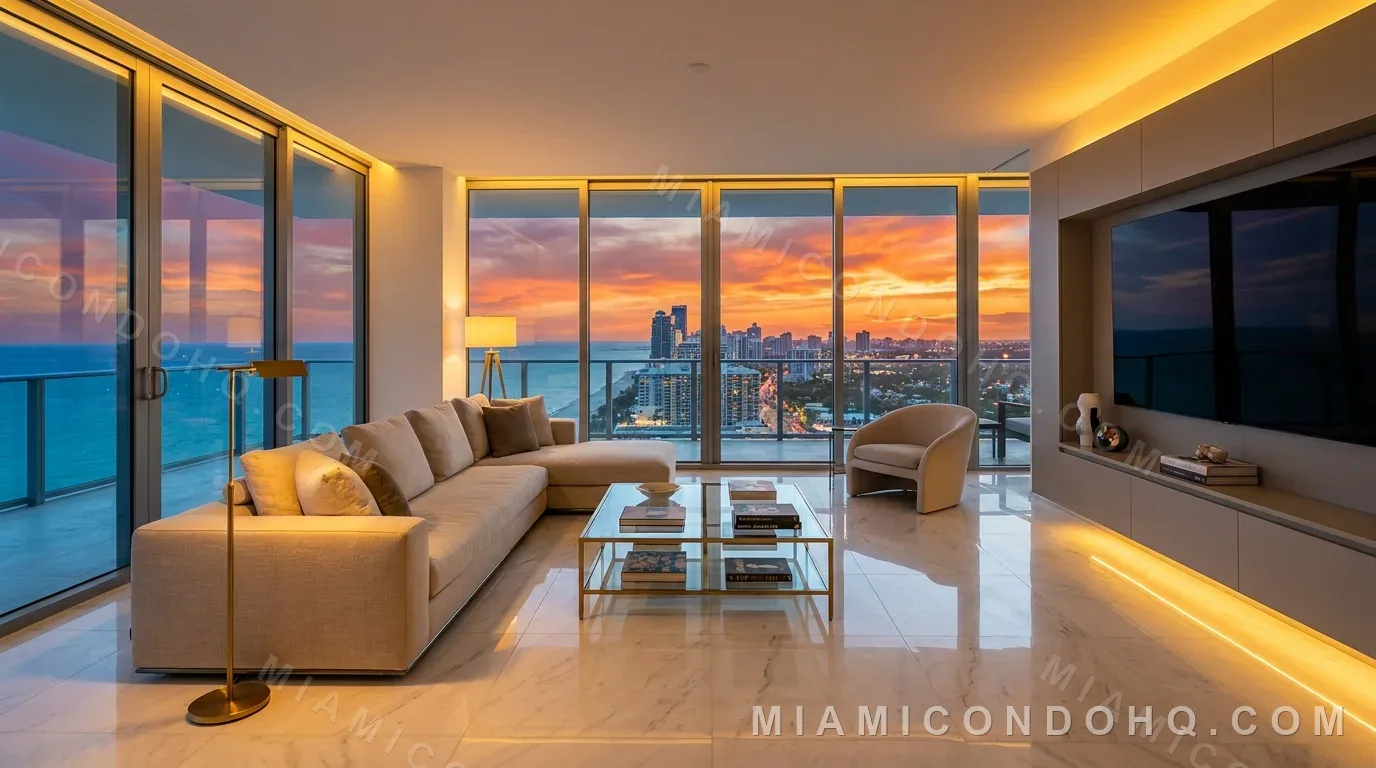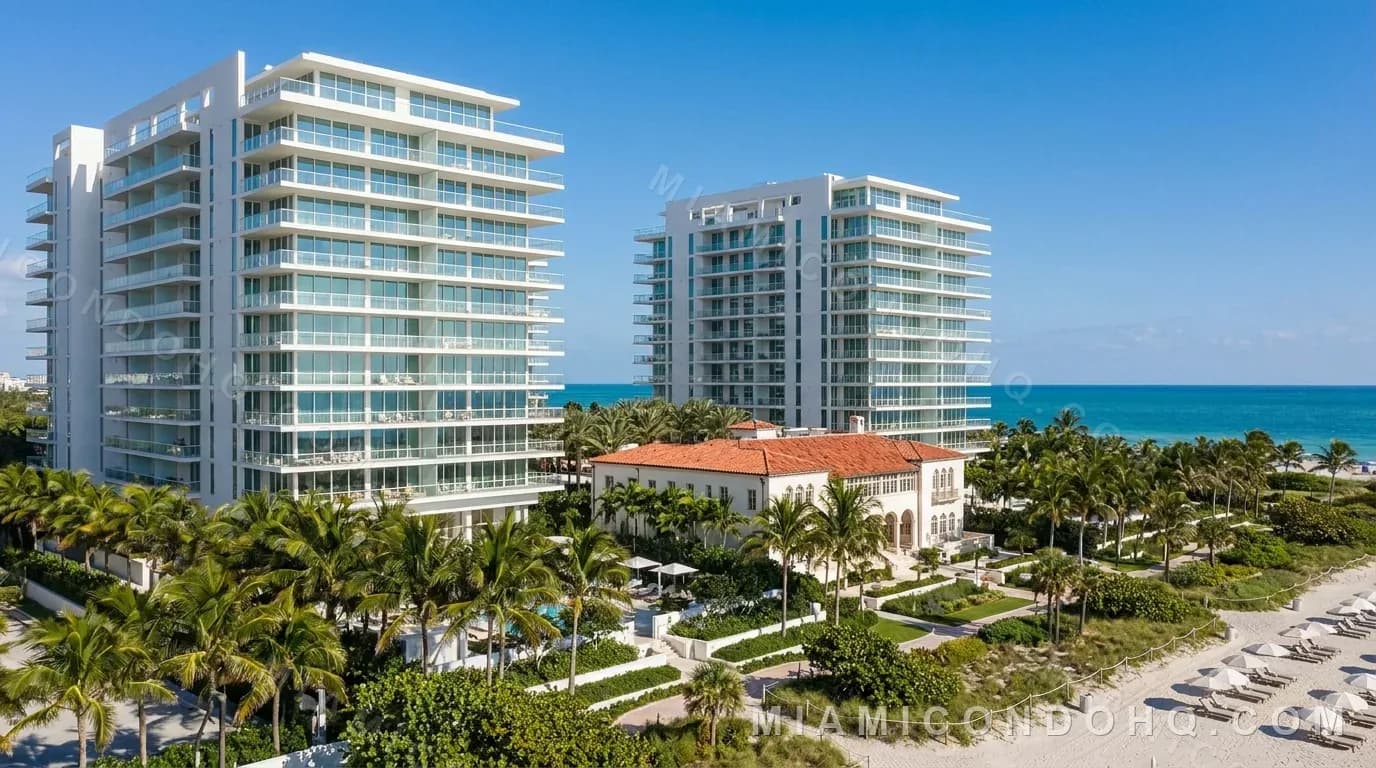
A Miami branded residence is a condominium sold to be lived in, with a residential staff serving owners. A hotel-condo unit is owned the same way but sits inside an operating hotel and can go into the operator's rental program when the owner is away. That one difference changes securities treatment, mortgage eligibility, tax and daily life.
Two homes with the same name on the door
Both products are deeded condominium units, both may carry a hotel company's name, and both advertise services. The difference is what the unit is for. A full-time branded residence serves owners who live there or leave it empty. A hotel-condo unit is also part of a hotel's room supply, rented to guests through the operator when the owner is away.
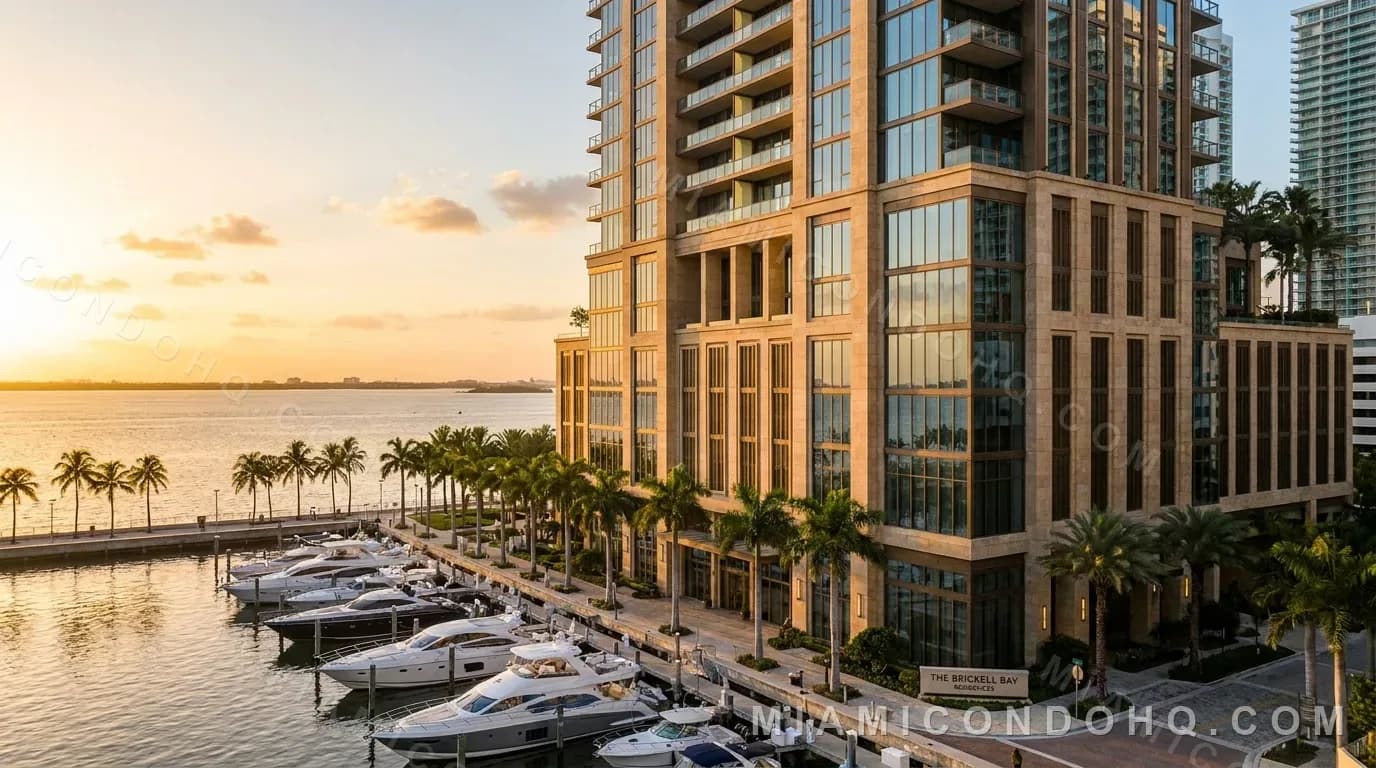
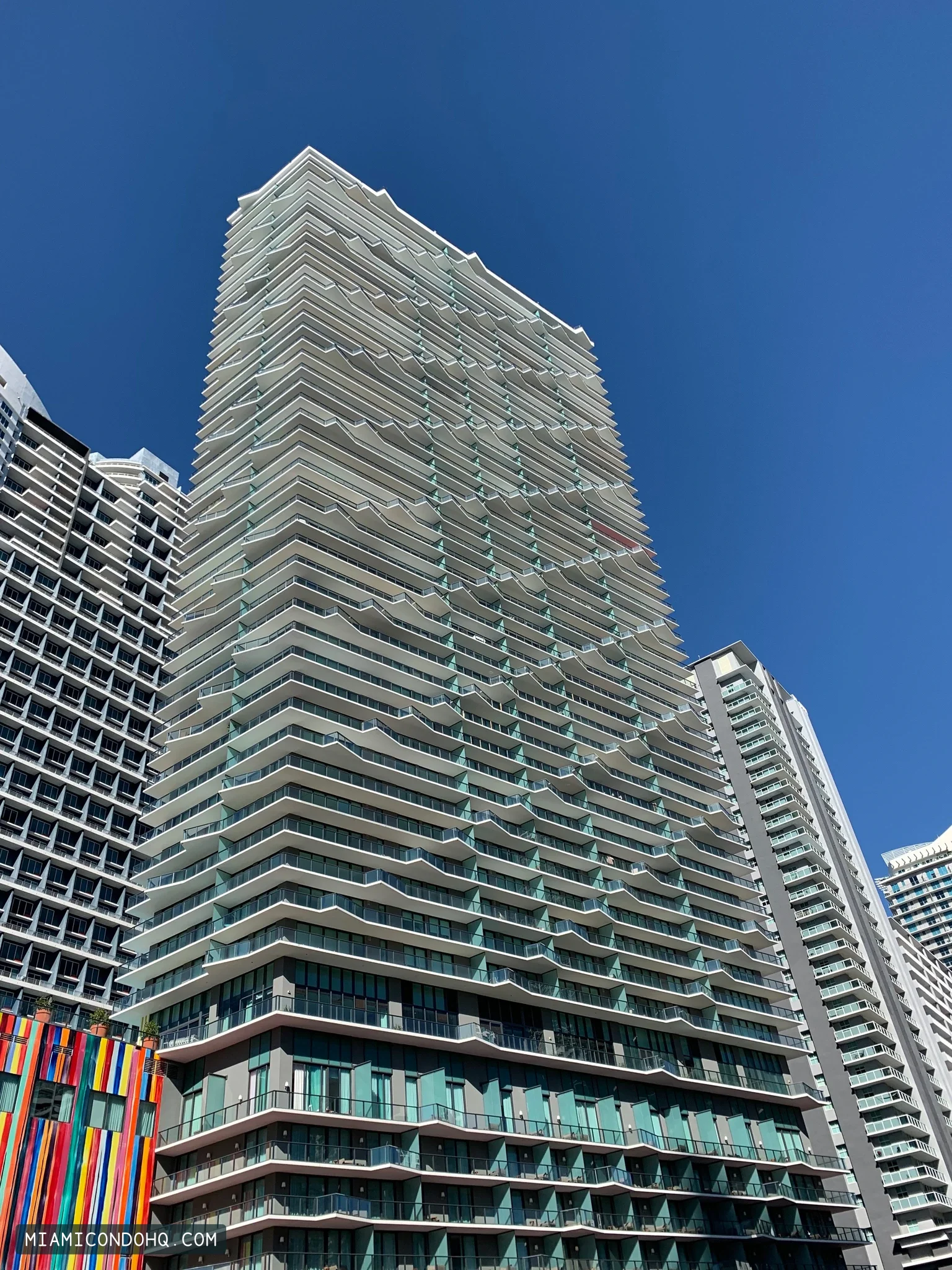
The St. Regis Residences, Miami, profiled at /buildings/st-regis-residences-miami, is the clearest residential example in our records. Its official site describes a residential-only lifestyle with butler service, and its legal notice says the developer uses the St. Regis marks under license from Marriott. Four Seasons Private Residences Coconut Grove, at /buildings/four-seasons-residences-coconut-grove, describes 70 units on 20 stories, and its residences page mentions no hotel. On the other side, Related Group describes SLS Brickell, at /buildings/sls-brickell, as situated above an eight-floor hotel, and our directory records short-term rentals as permitted there.
Our /branded-residences hub groups Miami's branded towers by brand type. This post covers a different split: whether a hotel shares the building and whether your unit can join its rental inventory.
The Surf Club sells both kinds of ownership
The Residences at The Surf Club in Surfside, at /buildings/surf-club-four-seasons, shows the split inside one property. Its official residences page describes 12 stories, two residential towers and a Four Seasons hotel at the historic club. It separates the private residences, for which Richard Meier created 51 floor plans, from hotel residences furnished by Joseph Dirand. The page attaches the rental option to the hotel residences, saying their owners may choose whether and when to take part in the Four Seasons rental program.
Before comparing finishes or views at any mixed property, establish which category the exact unit belongs to. The recorded declaration and the offering documents say which it is; a sales brochure does not.
When a rental program makes a condo a security
The federal starting point is old. In Release No. 33-5347, dated January 4, 1973, the Securities and Exchange Commission said that offering a condominium unit together with rental or similar services can be an offer of a security, an investment contract under the Securities Act. It named three triggers. The unit is sold with emphasis on income from someone else's management of rentals. The offer includes participation in a rental pool, where rents from all units are combined and shared regardless of whether your unit was booked. Or the owner must make the unit available for rent for part of the year, must use an exclusive rental agent, or is otherwise materially restricted in using or renting it.
The release also says that when a unit is not sold on its rental economics, an owner may later sign a non-pooled rental arrangement with an agent not required as a condition of purchase without making the sale a securities transaction. Whether a specific program crosses the line depends on how that unit was offered, so get the program's structure in the offering documents.
Mortgage eligibility changes with the rental program
Fannie Mae's Selling Guide, in section B4-2.1-03 as updated August 5, 2026, says it will not buy loans secured by units in projects operated or managed as a hotel or motel. It lists hotel-type services such as registration, rentals by the day or for short terms, daily cleaning, central telephone service and central key systems. It also excludes projects subject to voluntary rental-pooling, revenue or profit-sharing agreements with the association or management company, and projects whose documents restrict when owners may occupy their own units, for example through blackout dates.
The guide also lists red flags that call for extra lender review, including franchise agreements, concierge and spa services, and units under 400 square feet. A residential-only branded tower with concierge or spa services can trip those flags too, so ask the lender about the building before you sign a contract. Our guide at /blog/financing-miami-condo-warrantable-vs-non-warrantable explains non-warrantable projects.
Renting it yourself: Florida's lodging and tax rules
Florida law treats short stays as lodging. Section 509.013 defines a transient public lodging establishment as any unit rented to guests more than three times in a calendar year for less than 30 consecutive days, or advertised as regularly rented that way. Section 509.242 classifies a condominium unit that meets that test as a vacation rental, one of the public lodging categories overseen by DBPR's Division of Hotels and Restaurants. Section 212.03 levies a 6 percent state tax on rentals of condominium living quarters, with an exemption for a bona fide written agreement for continuous residence longer than six months. Local tourist taxes may also apply. Ask any rental operator which licenses and taxes it handles for your unit and which remain yours.
The declaration controls whether you may rent at all. Section 718.110(13) says an amendment that prohibits rentals, changes the rental term or limits how often owners may rent applies only to owners who consent to it and to owners who take title after it takes effect. A resale buyer is therefore bound by amendments already recorded, so read them before relying on a seller's rental history.
Services: residential staff or hotel operator
Services read alike in marketing but differ in who provides them. Four Seasons Coconut Grove lists an on-site director of residences, a residential concierge, doorman and bellman service, private arrival and valet, 24/7 security and 24-hour on-call emergency maintenance. Those describe a residential operation. The Surf Club lists à-la-carte butler, pre-arrival provisioning, housekeeping, in-residence spa and dining and grocery provisioning; à la carte implies separate charges.
Ask which services the association budget pays for and which are billed per use, and which facilities are condominium common elements rather than hotel property shared with guests. In a hotel-condo your neighbors include guests checking in and out; in a residential-only tower they are other owners. For the association's legal name and records, start at /condo-associations.
Questions buyers ask about branded residences and hotel-condos in Miami
What is the difference between a branded residence and a hotel-condo in Miami?
A branded residence is a condominium sold for owners to live in, with residential staff. A hotel-condo unit is also deeded condominium property but sits in an operating hotel and can be rented to guests through the operator's program. The Surf Club in Surfside sells both.
Can I live full time in a hotel-condo unit?
That depends on the unit's documents. Some programs are optional, and The Surf Club says its hotel-residence owners choose whether and when to join the Four Seasons rental program. Others restrict owner occupancy with blackout dates or occupancy limits, which Fannie Mae's Selling Guide lists among the features that make a project ineligible for its loans.
Is a condo with a hotel rental program a security?
It can be. SEC Release No. 33-5347 from 1973 says a condominium offered with a rental pool, a mandatory rental arrangement, or sales emphasis on rental income from others' management is an offer of an investment contract. The release adds that when a unit is not marketed on its rental income, a non-pooled arrangement the owner chooses after buying, with an agent not required as a condition of sale, does not make the sale a securities offering.
Can I get a conventional mortgage on a Miami hotel-condo?
Not one that Fannie Mae will buy if the project operates as a hotel. Its Selling Guide excludes projects with hotel-type services such as registration and daily or short-term rentals, and projects subject to voluntary rental-pooling agreements with the association or management company. Ask a lender about the specific project before signing a contract.
Choosing by how you will actually use it
If the home is your primary residence or a second home kept for yourself, a residential-only branded tower avoids the rental-program questions. If rental income is the plan, a hotel-condo unit may offer an operator's booking system, at the cost of tighter financing and the operator's rules. Either way, have a Florida attorney read the declaration and the rental, service and license agreements. Miami Condo HQ is a research publisher, not a brokerage, with no live Miami MLS feed, so we publish no Miami prices or availability.
Sources and review scope
Sources checked 2026-10-06. The notes identify which facts each publication supports.
- The Surf Club — Residences (official page)
12 stories, two residential towers and a Four Seasons Hotel; Richard Meier's 51 floor plans for the private residences; hotel residences with Joseph Dirand furniture whose owners have freedom over how and when to participate in the Four Seasons rental program; à-la-carte butler, pre-arrival provisioning, housekeeping, in-residence spa, in-residence dining and grocery provisioning.
- The St. Regis Residences, Miami — official project website
Describes an everyday residential-only lifestyle and the brand's butler service; legal notice says the tower is not owned, developed or sold by Marriott and 1809 Brickell Property Owner, LLC uses the marks under a license from Marriott.
- Four Seasons Private Residences Coconut Grove — official residences page
20 stories and 70 units; lists an on-site director of residences and residential concierge, doorman and bellman services, private arrival and valet, 24/7 security and 24-hour on-call emergency maintenance; no hotel described.
- Related Group — SLS Brickell Hotel & Residences
Describes SLS Brickell as situated above an eight-floor luxury hotel, topped by six floors of penthouse residences.
- U.S. Securities and Exchange Commission — Release No. 33-5347, Guidelines as to the Applicability of the Federal Securities Laws to Offers and Sales of Condominiums or Units in a Real Estate Development (January 4, 1973)
Condominium units offered with rental or similar services may be investment contracts; offering with emphasis on economic benefits from others' managerial efforts, participation in a rental pool, or a requirement to hold the unit available for rental, use an exclusive rental agent or accept material occupancy restrictions makes the offering a securities offering; a later non-pooled arrangement with an agent not required as a condition of purchase does not, where the unit was not sold on its economic benefits.
- Fannie Mae Selling Guide — B4-2.1-03, Ineligible Projects (08/05/2026)
Fannie Mae will not purchase loans on units in projects operated or managed as hotels or motels, including projects offering registration services, daily or short-term rentals, daily cleaning, central telephone service or central key systems, projects subject to voluntary rental-pooling, revenue, profit or commission sharing agreements, and documents restricting owner occupancy such as blackout dates; red flags include franchise agreements, units under 400 square feet, and spa and concierge services.
- The Florida Legislature — 2026 Florida Statutes, Section 509.013
509.013(4)(a)1: a transient public lodging establishment is any unit rented to guests more than three times in a calendar year for periods of less than 30 consecutive days, or advertised or held out as regularly rented for such periods; 509.013(1) defines the division as DBPR's Division of Hotels and Restaurants.
- The Florida Legislature — 2026 Florida Statutes, Section 509.242
509.242(1)(c): a vacation rental is any unit or group of units in a condominium or cooperative, among other dwellings, that is also a transient public lodging establishment but is not a timeshare project.
- The Florida Legislature — 2026 Florida Statutes, Section 212.03
212.03(1)(a): renting living quarters in a condominium is a taxable privilege taxed at 6 percent of total rental charged; a bona fide written agreement for continuous residence longer than 6 months is not taxable.
- The Florida Legislature — 2026 Florida Statutes, Section 718.110
718.110(13): an amendment prohibiting rentals, altering the rental term or limiting the number of rentals in a period applies only to unit owners who consent and to owners who acquire title after its effective date.

Written by
Miami Condo HQ
Real-estate research publisher
Miami Condo HQ is published by Eltherion, LLC to help readers research Miami buildings, neighborhoods and real-estate decisions. We publish source notes, ownership guides and practical tools, and help readers request introductions to licensed partner agents. We are not a licensed brokerage.